
An autodidact is a self-directed learner. The word can summon an image of a lone genius teaching himself in a library, but the useful reality is less romantic. Self-education is not education without teachers. It is education in which the learner accepts responsibility for finding teachers, building structure, practicing skills, and testing understanding.
That responsibility is more important than ever. A person with an internet connection can reach public-domain books, university lectures, scholarly encyclopedias, language courses, archives, and communities devoted to nearly any subject. Scarcity has not disappeared—time, expert access, and many books still cost money—but the first obstacle is often no longer access. It is navigation. An infinite shelf does not tell you where to begin, what to trust, or how to continue when the work becomes hard.
Begin with a question and a map
Do not begin by saving fifty links. Begin with a question. “I want to learn philosophy” is an aspiration; “How have philosophers distinguished knowledge from justified belief?” is a project. A question directs attention and lets you decide whether a resource is useful.
Then make a provisional map. Consult a reputable overview—a Stanford Encyclopedia of Philosophy article, an Internet Encyclopedia of Philosophy entry, a university syllabus, or an established introductory text. List central terms, major figures, primary works, and live disagreements. The map is not the territory, and your first map will be incomplete. Its purpose is to prevent random wandering.
Choose a sequence small enough to finish. One useful pattern is: an orientation, one substantial primary or classic work, and one or two strong secondary guides. A learner studying historical method might read an introductory essay, selections from an important historian, and a modern analysis. A learner studying a doctrine might read the relevant scriptures and early sources before relying on someone else’s summary of them.
Work in cycles, not moods
Motivation is unreliable. A durable practice needs a recurring appointment and a defined task. “Study when I have time” usually means “study after everything that can interrupt me.” Protect three or four sessions each week, even if they last only thirty minutes. End each session by writing the next action: “Read pages 40–55 and explain the author’s distinction between evidence and proof.” A visible next step lowers the cost of restarting.
Each study cycle should include four activities: encounter, retrieve, connect, and produce.
To encounter is to read, watch, or listen attentively. To retrieve is to close the source and reconstruct its main claim from memory. Retrieval feels harder than rereading because it reveals the actual state of learning. To connect is to compare the new idea with something already known: agreement, tension, analogy, cause, or contrast. To produce is to make an artifact—an outline, short explanation, timeline, argument map, set of flashcards, or essay.
Production matters because recognition can impersonate knowledge. A paragraph looks familiar on the third reading, but familiarity may vanish when you try to explain it. Writing converts a vague sense of understanding into claims that can be inspected and corrected.
John Dewey argued in How We Think that reflective thought is sustained inquiry, not the mere succession of ideas through the mind. An autodidact learns to hold a problem long enough for evidence and alternatives to reorganize an initial impression. That patience is a skill, acquired through use.
Read sources in the right order
Free does not mean trustworthy, and expensive does not mean good. Ask who created a source, for whom, using what evidence, and with what process of review. Prefer sources that show their work: citations, bibliographies, named authors, and clear distinctions between evidence and interpretation.
Use summaries for orientation, not substitution. A ten-minute video can tell you why a book matters; it cannot give you the experience of following the book’s argument. Read primary sources when the exact language matters, but do not fetishize them. A primary source can be obscure, strategic, mistaken, or difficult to place. Secondary scholarship supplies context and compares evidence that no single witness possessed.
Triangulate important claims. Seek the strongest responsible account from more than one perspective. This is especially important in religious and historical study, where apologetic and critical sources may select different evidence or ask different questions. The goal is not to average all conclusions. It is to understand why informed people disagree before deciding what the evidence supports.
Build a modest knowledge system
Your notes should help your future self think, not testify that your present self read something. Record the source precisely. Separate quotation from paraphrase and both from your response. Write a one-sentence claim for each note. Add a few meaningful links: “supports,” “challenges,” “defines,” “historical example of.” Elaborate software is optional; consistent habits are not.
Keep a question ledger. Mark questions as open, provisionally answered, or transformed into better questions. Keep a misconception log too. Recording what you once got wrong is not humiliating; it is evidence that study is working.
At the end of a four- or six-week cycle, make something coherent and shareable. Explain the topic to a friend, write a thousand-word synthesis, or teach a short lesson. Ask: What can I now explain without notes? Which sources changed my view? Where do experts still disagree? What should the next cycle investigate?
Independence without isolation
Every serious autodidact needs a community of correction. Join a reading group, ask a librarian, write to a scholar with a focused question, take part in a well-moderated forum, or invite a knowledgeable friend to criticize an outline. Other people reveal missing background and standards you did not know existed.
This guards against a particular danger: self-direction becoming self-confirmation. Algorithms supply more of what holds our attention. If outrage or certainty keeps us clicking, our “research” can become a customized defense of what we already wanted to believe. Deliberately read authors who complicate your position, and state their arguments in terms they could recognize.
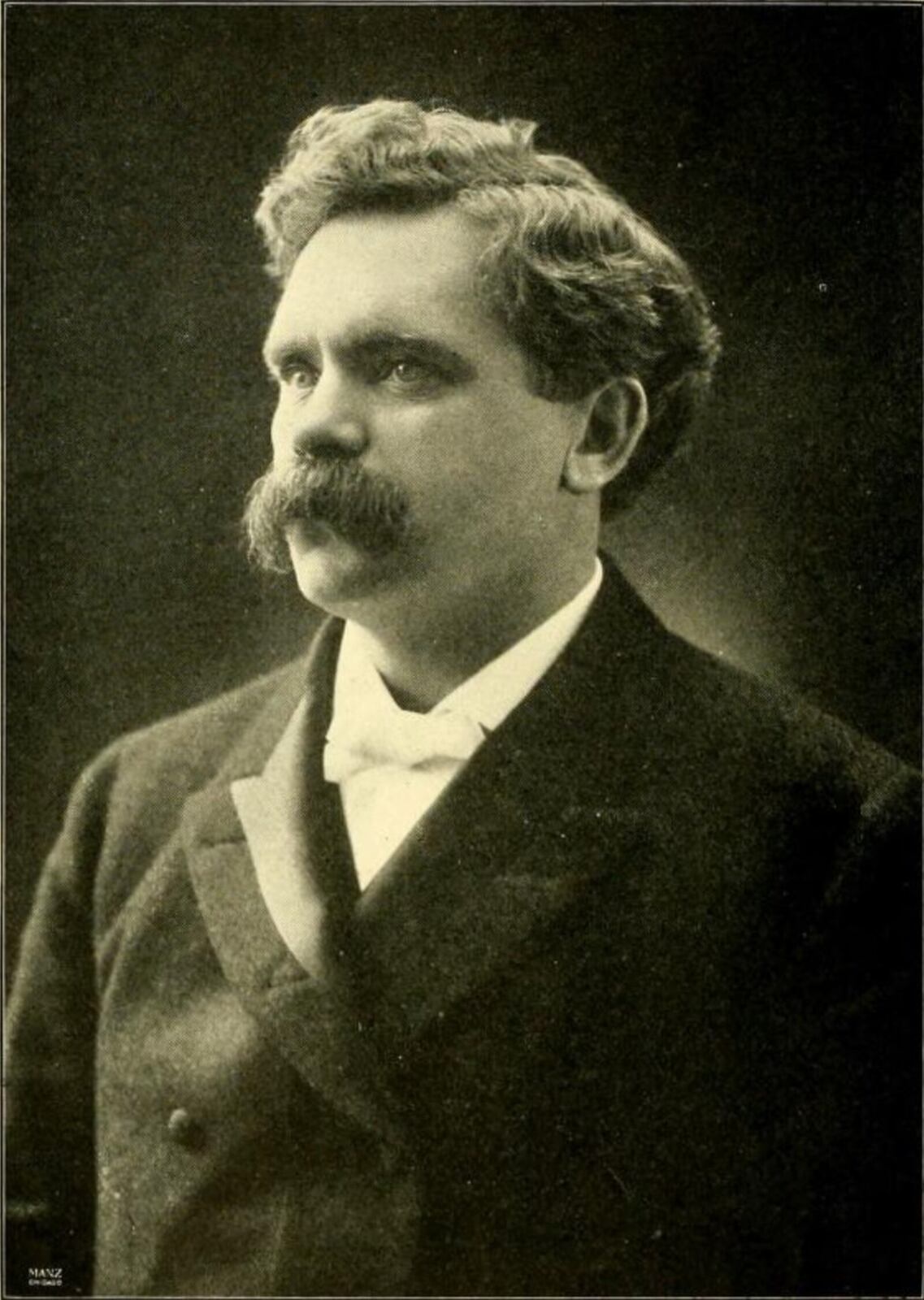
B. H. Roberts is an instructive patron for such learning not because autodidacts are infallible, but because limited formal schooling need not end intellectual ambition. His wide reading served sustained questions about history, scripture, and theology. His example also reminds us that vigorous inquiry occurs within a life of institutions, duties, loyalties, and disagreements.
Begin smaller than your ambition: one real question, one trustworthy map, one difficult book, and one person willing to challenge you. Keep the appointment, retrieve what you learn, and make something from it before you move on. Repeated over years, these ordinary cycles become an education.
Readings
- John Dewey, How We Think (Project Gutenberg).
- Stanford Encyclopedia of Philosophy, “Epistemic Basing Relation” (advanced, but useful for thinking about what our beliefs are based on).
- Frederick Douglass, Narrative of the Life of Frederick Douglass (Project Gutenberg), especially his account of learning to read.